
The best travel clothes for men aren’t necessarily the ones marketed as “travel clothing.” They’re the pieces you’ll reach for again and again because they’re comfortable, versatile, durable, and stylish enough to wear almost anywhere—from a long-haul flight, to a nice restaurant, to a multi-day hiking adventure.
Whether you’re packing for a weekend getaway, a business trip, a months-long backpacking adventure, or life as a digital nomad, choosing the right clothing can make traveling lighter, easier, and far more enjoyable. The right wardrobe means packing fewer items without sacrificing comfort or style, spending less time doing laundry, and feeling appropriately dressed wherever your travels take you.
As someone who has traveled full-time for over two decades, I’ve tested countless travel clothing brands and learned what actually performs well on the road—and what doesn’t. But I also know there’s no single “perfect” travel wardrobe. A carry-on-only minimalist packs differently than a business traveler, and an adventure traveler has different priorities than someone exploring European cities.
Also, I’m not a man. (Just saying.)
That’s why this guide goes beyond my own experience. I spoke with several accomplished long-term male travelers to learn what has earned a permanent place in their travel wardrobes, which brands have consistently lived up to the hype, and what lessons they’ve learned after years of living out of a suitcase. Throughout this guide, you’ll find their practical advice, favourite gear, and honest opinions alongside my own.
Together, we’ve distilled decades of real-world travel experience into one comprehensive resource.
In this guide, you’ll discover:
- What features actually matter when choosing men’s travel clothing
- The best fabrics for different climates and travel styles
- How to build a versatile travel capsule wardrobe
- The travel clothing brands that experienced travelers trust
- Recommendations for the best shirts, pants, jackets, shoes, underwear, socks, and accessories
- Common mistakes to avoid when buying travel clothing
- Practical tips for packing lighter while staying comfortable and looking great
If you’re looking to build a travel wardrobe that works as hard as you do, you’re in the right place.
See also: Merino Wool Clothing for Travel: A Guide to Choosing the Best Brands

Introducing our Men’s Travel Clothing Expert Panel
To complement my own experience as a (female) full-time traveler, I invited three accomplished male travelers to contribute their insights to this guide. Each has a different travel style, packing philosophy, and wardrobe priorities, helping create a more balanced and practical resource. You’ll find their advice, favorite brands, and hard-earned lessons woven throughout the article.
Tim Leffel
Tim has been helping travelers explore the world on a budget for more than two decades. He launched the Cheapest Destinations Blog in 2003 and has written multiple books on affordable travel. Based in Mexico for part of the year and traveling extensively for the rest, Tim regularly packs for slow travel, business trips, and destinations spanning multiple climates. His recommendations emphasize versatility, durability, and clothing that transitions easily from city streets to conference stages and mountain trails.
Travel Style: Slow travel • Business travel • Multi-climate trips
Matt Bowles
Matt Bowles is the host of The Maverick Show: Global Travel Stories and Life Beyond Borders and has been traveling the world full-time since 2013 with carry-on luggage only. He teaches workshops on stylish minimalist packing and has refined a wardrobe built around merino wool, premium essentials, and multi-purpose pieces. Despite traveling indefinitely with one bag, Matt is also known for making room for a few personal luxuries, including a tailored suit, Ferragamo dress shoes, a podcasting studio, a wine aerator, and an espresso maker capable of producing café-quality coffee almost anywhere.
Travel Style: Full-time digital nomad • Carry-on only • Minimalist packing
Matt Wald
Matt Wald is one half of Ready Jet Roam, a carry-on-only travel brand he runs with his partner, Lisa. Together they’ve explored more than 95 countries with nothing larger than a carry-on suitcase. Matt freely admits he learned many packing lessons the hard way, from buying an entire safari wardrobe he never wore to discovering that the best travel clothes often don’t look like travel clothes at all. His practical, humorous perspective offers a refreshing counterpoint to conventional travel gear advice.
Travel Style: Full-time carry-on only • Urban travel • Practical everyday clothing
Don’t replace your entire wardrobe before a trip.
Quick Answer: The Best Travel Clothes for Men
See the section Best Travel Clothes by Category for a more detailed breakdown of reasoning as well as alternative suggestions. These picks offer some of the best value plus versatility.
- Best travel t-shirt: Unbound Merino Crew Neck (use NORA10 for 10% off)
- Best travel button-up: KUHL
- Best travel polo: Wool&Prince
- Best travel hoodie: Unbound Merino
- Best travel pants: prAna Stretch Zion – Or – KUHL Renegade
- Best travel shorts: Aviator Non-Stop Travel Short
- Best travel jacket: PAKA Men’s Mayu Ultralight Jacket
- Best travel rain jacket: MARMOT Men’s PreCip Eco Waterproof Rain Jacket
- Best underwear: ExOfficio
- Best socks: Darn Tough Hiker Micro Crew
What Makes the Best Travel Clothing for Men?
While I and my travel colleagues will recommend specific brands and styles in this article, it’s important for you to understand what exactly makes for an ideal piece of travel clothing, so you can evaluate what’s in your own wardrobe (or in the shop down the street from you).
Lightweight without sacrificing durability
If you’re going to Siberia, a breezy lightweight shirt may not be appropriate. But extreme weather conditions aside, the right selection of lightweight clothes will be great on their own, and can layer for cooler temperature variations. And of course, lightweight clothes pack down easier.
Wrinkle resistance
No matter how meticulously you fold, roll, or cram your clothes into your luggage, they’re going to come out creased if the material isn’t wrinkle-free. Even the best packing accessories won’t solve this problem.
Quick drying fabrics
The best travel clothes for men will air dry, overnight. Period. Quick dry shirts and pants are essential, especially if you’re traveling with carry-on only, which means at some point you’ll be hand-washing in the sink. Also, you might be surprised at how few clothes dryers (the machine kind) exist abroad.
Odor resistance
The more wears you can get before washing, the less travel clothing you need to bring. Antimicrobial and antibacterial properties keep the stink away.
Stretch and comfort
A bit of stretch goes a long way to making that piece of clothing comfortable in all scenarios.
Versatility for multiple occasions
The more scenarios your clothes are suitable for, the more multifunctional they are. While you shouldn’t dress in a way that is not intrinsically you, know that it’s better to air on the side of being overdressed than underdressed.
A collared shirt (like a polo or button-up) will be appropriate for exponentially more scenarios than a faded t-shirt or tank top. Oscar Wilde was known to say: “you can never be overdressed or overeducated”.
And while there is a current fashion trend called “billionaire don’t care”, don’t assume you can pull it off.
Easy care while traveling
Unless it’s an absolute priority, avoid anything that needs dry cleaning or ironing. Ideally all your travel clothes can be machine washed as well as easily hand washed in the sink.
Do You Really Need Travel-Specific Clothing?
Not necessarily.
Many experienced travelers—including some I interviewed for this guide—prefer well-made everyday clothing over garments marketed specifically for travel. Rather than focusing on the “travel” label, prioritize fabrics, fit, durability, and versatility. If a shirt performs well on the road and at home, it’s probably a better investment than a highly technical piece you’ll only wear while traveling.
How to Choose Travel Clothing Based on Your Travel Style
The “best” travel clothing depends less on where you’re going and more on how you travel. A carry-on-only minimalist has different priorities than a business traveler. Someone spending six months backpacking through Southeast Asia will pack differently than a luxury traveler hopping between five-star hotels.
Start by identifying which type of traveler you are (you’ll probably fit into more than one category), then build your wardrobe around those needs.
Best Travel Clothing for Carry-on-only Travelers
If you’re committed to traveling with just a carry-on, every piece of clothing has to earn its place in your bag. Look for versatile items that can be worn multiple ways and mixed and matched into several outfits.
Prioritize:
- Lightweight fabrics
- Wrinkle resistance
- Quick-drying materials
- Odor-resistant clothing (especially merino wool…keep reading for more on that)
- 2-3 colours that coordinate easily
- Clothing suitable for both casual sightseeing and nicer restaurants
Instead of packing more clothes, pack better clothes. A few high-quality pieces will outperform a suitcase full of single-purpose garments.
Best Travel Clothing for Long-term Travelers
When you’re traveling for months or years at a time, durability becomes just as important as comfort. Your clothes will be washed frequently, worn repeatedly, and exposed to a variety of climates and conditions.
That said, if you’re wearing something so frequently that it wears out, don’t fret! You can always pick up something along the way, and that piece of replacement clothing becomes a wearable souvenir!
While investing in high quality pieces is commonly recommended, Matt Wald takes a contrarian approach. “I’d rather buy inexpensive tees, wear them for a couple of months, and donate them somewhere they’ll get a second life than treat one shirt like an heirloom I’m obligated to carry forever.” He heads to places like H&M and Uniqlo to re-up his full-time carry-on travel wardrobe along the way.
Prioritize:
- Durable construction
- Easy-to-wash fabrics
- Quick drying
- Comfortable fits for long travel days
- Clothing that layers well
- Pieces that can transition between seasons
Rather than packing for every possible scenario, focus on a wardrobe that adapts. You’re likely going to encounter multiple seasons and you can’t pack one thing for every climate/occasion. A lightweight layer often provides more flexibility than several bulky items.
Best Travel Clothing for Business travelers
Business travel requires clothing that looks polished on the clock and comfortable after hours in airports, trains, and taxis. Wrinkle resistance and versatility become essential.
Prioritize:
- Wrinkle-resistant shirts and trousers
- Blazers or jackets that travel well
- Comfortable dress shoes
- Moisture-wicking undershirts
- Dark colours that hide wrinkles and stains
- Fabrics that don’t require ironing (and yes, you can get snappy dress shirts that don’t wrinkle!)
Matt Bowles is a full-time carry-on traveler who rolls with (among other things) a Hugo Boss suit and Ferragamo shoes. He swears by his Proper Cloth custom-made merino wool button down shirt. (They also make full suits.) If you’re not interested in splurging on a custom-made shirt, you can get merino wool dress shirts at Wool&Prince and Libertad.
Look for clothing that performs like technical travel gear while maintaining a professional appearance.

Best Travel Clothing for Adventure travelers
Whether you’re hiking, cycling, kayaking, or exploring remote destinations, your clothing needs to perform under demanding conditions.
Prioritize:
- Moisture management
- Quick drying
- Stretch and freedom of movement
- Abrasion resistance
- Sun protection
- Layering systems
- Lightweight insulation
- Weather protection
Avoid heavy cotton, which absorbs moisture (and then makes you cold) and dries slowly. Technical fabrics and merino wool generally perform much better outdoors.
Adventure travel clothing needn’t be purpose built either. Tim Leffel combines business travel, outdoor adventures, and luxury hotel reviews into one day, much less one trip. He swears by travel pants that look great but have some stretch. “I’ve worn these on stage when speaking, gone to meetings soon after, then went on a bike tour or hike the same day without changing.”

Best Travel Clothing for Luxury travelers
These days luxury doesn’t require being dressed to the nines all the time. Also, luxury travel doesn’t mean packing more; just smarter. High-quality clothing that travels well lets you maintain a polished appearance without overpacking.
Prioritize:
- Premium natural fabrics
- Timeless styles
- Neutral colour palettes
- Well-tailored basics
- Lightweight outerwear
Choose versatile pieces that look equally at home in airport lounges, boutique hotels, fine restaurants, and city streets.
Best Travel Clothing for Digital nomads
Digital nomads blur the line between work and travel. Your clothing should be comfortable enough for long work sessions while still looking presentable for video calls, co-working spaces, conferences, and spontaneous social events.
And because most digital nomads also travel long-term, it’s an even bigger ask because your travel wardrobe has to accommodate multiple climates, activities, and lifestyle choices.
Prioritize:
- Comfortable everyday wear
- Smart-casual versatility
- Breathable fabrics
- Wrinkle resistance
- Easy-care garments
- Clothing suitable for different climates
Many digital nomads find success with a minimalist capsule wardrobe where every item coordinates with the rest. This simplifies packing, reduces decision fatigue, and makes it easier to move frequently.
Which Type of Travel Clothing Is Right for You?
Still not sure where to start? Use this quick comparison to identify which travel clothing priorities best match your travel style.
| If you are… | Prioritize… | Spend more on… |
|---|---|---|
| Carry-on-only traveler | Versatility, lightweight fabrics | Pants, shoes |
| Long-term traveler | Durability, easy care | Pants, merino basics |
| Business traveler | Wrinkle resistance, polished appearance | Shirts, blazer, shoes |
| Adventure traveler | Performance, weather protection | Layers, outerwear, footwear |
| Luxury traveler | Style, premium fabrics | Core wardrobe staples |
| Digital nomad | Smart-casual versatility | Comfortable everyday clothing |
No matter how you travel, the fabrics your clothes are made from can have an even bigger impact on comfort and performance than the brand on the label. In the next section, we’ll compare the best travel clothing fabrics, from merino wool and linen to modern performance blends, to help you choose the right materials for your trips.
All three travelers interviewed agreed on three things:
- Comfortable shoes are worth the investment.
- Pack fewer clothes than you think you need.
- Versatility beats fashion-specific clothing.
The Best Fabrics for Travel Clothing
When it comes to travel clothing, the fabric matters just as much (if not more) than the brand. No single fabric is perfect for every traveler or destination. And every choice has pros and cons.
Merino wool excels at regulating temperature and resisting odors, making it a favourite for long-term and carry-on-only travelers (like me!)…but it ain’t cheap.
Linen is hard to beat in hot, humid climates…but you’d better be okay with the wrinkly look.
Modern synthetic fabrics dry quickly and stand up well to active adventures…but once they get a hold of your special brand of stink, it never seems to wash out.
And of course, natural fibres like cotton still have their place in the right situations…but they’re not as wrinkle-free nor light to pack, and they’re a big no-no on technical outdoor adventures.
Understanding the strengths and trade-offs of each fabric will help you build a travel wardrobe that’s better suited to your own travel style. Below I’ll compare the most popular travel clothing materials, explain where each one shines, and help you decide which fabrics deserve a place in your suitcase.
Merino wool
Merino wool has earned its reputation as one of the best fabrics for travel, especially among carry-on-only travelers and long-term nomads. Unlike traditional wool, merino is exceptionally soft, breathable, and comfortable against the skin.
It naturally regulates body temperature, keeping you warm in cool weather while remaining surprisingly comfortable in the heat. I did a three-month trip during summer with a travel capsule wardrobe made of only merino wool, and I gracefully survived 100+ degree (Fahrenheit) temperatures. (Here’s a video I made about the experience.)
The biggest advantage of merino wool is its natural odor resistance. Merino fibres inhibit the growth of odor-causing bacteria, allowing you to wear garments multiple times between washes—a major benefit when luggage space is limited or laundry facilities are scarce. My fella tested this theory; he wore his merino t-shirt for a week straight (in summer) and it passed my deep-inhalation-of-the-armpit test with flying colours.
Why it’s great for travel
- Naturally odor resistant
- Excellent temperature regulation
- Breathable in both hot and cool weather
- Lightweight
- Wrinkle resistant
- Comfortable next to the skin
- Can often be worn multiple days before washing
Potential drawbacks
- More expensive than most fabrics
- Takes somewhat longer to dry than ultralight synthetic fabrics
- Requires gentler washing (while most merino pieces can be machine washed, it must be on cold and ideally with special detergent – though to be honest I usually use regular detergent)
- Can wear out faster if made from very lightweight knits
For an in-depth exploration of merino wool, including terms you should know like GSM and Microns, check out my article about Merino Wool Clothing for Travel. In it I also recommend a selection of brands for you to consider.
Matt Bowles’ #1 favourite travel pants are Unbound Merino’s Men’s Relaxed Merino Travel Pants. They’re comfortable with a bit of stretch, hold their form, wash and dry easily, and can be worn casually but also dressed up a bit more than jeans.
Also, an alternative to merino wool that ticks all the same boxes is alpaca. It’s less common than merino wool (alpacas live in more specific environments), but it’s even more environmentally friendly and sustainable to produce. I adore the company PAKA, and have worn their clothing and even visited their HQ in Cusco. I swear by their socks and their outerwear (their Mayu Ultralight Jacket packs better than down and is even warmer).

Linen
Made from flax fibres, linen is exceptionally breathable and allows air to circulate freely, making it ideal for tropical climates and summer travel. Although linen wrinkles easily, many travelers embrace its relaxed, lived-in look.
Why it’s great for travel
- Extremely breathable
- Excellent in hot and humid climates
- Lightweight
- Dries relatively quickly
- Natural fibre with a timeless appearance
Potential drawbacks
- Wrinkles ridiculously easily
- Offers little insulation in cool weather
- Less versatile across changing climates
For a merino-linen blend that is less likely to wrinkle but still has all the traits of linen, check out Unbound Merino’s Men’s Merino Linen Beach Pants.
Cotton
Cotton is comfortable, affordable, and familiar, but it’s rarely the best choice for minimalist or long-term travel. It absorbs moisture readily, dries slowly, and can become heavy and uncomfortable (and cold) after sweating or getting caught in the rain.
That said, cotton still has a place in many travel wardrobes.
Why it’s great for travel
- Soft and comfortable
- Widely available
- Affordable
- Breathable in moderate temperatures
Potential drawbacks
- Holds moisture
- Slow to dry
- Wrinkles more easily than technical fabrics
- Can become uncomfortable in humid conditions
Polyester
Modern polyester has come a long way from the shiny fabrics of decades past. Today’s technical polyester garments are lightweight, durable, and exceptionally quick drying, making them popular with adventure travelers and active explorers.
Why it’s great for travel
- Dries very quickly
- Highly durable
- Lightweight
- Affordable
- Resists wrinkles
- Performs well during physical activity
Potential drawbacks
- Can retain odors over time
- Less breathable than natural fibers
- May feel less comfortable in very hot weather
It’s also worth noting that although polyester can work miracles in certain scenarios, it’s not environmentally friendly. It’s derived from petroleum, requires a lot of energy to produce, it’s not biodegradable in landfills, and when washed it sheds microplastics into the wastewater (which ultimately makes their way into lakes and oceans). Recycled polyester is a better alternative, but it’s still not biodegradable and it doesn’t get around the microplastics issue. Learn more about sustainable materials here.
For more information on making eco-friendly clothing and gear choices when you travel, read this: Eco-Friendly Products That Will Help the Environment.
Nylon
Nylon is one of the toughest fabrics commonly used in adventure travel clothing. It resists abrasion, stretches well, and often feels smoother than polyester. Many travel pants, shorts, and jackets rely on nylon for its combination of durability and low weight.
Why it’s great for travel
- Extremely durable
- Lightweight
- Quick drying
- Stretchy when blended with elastane
- Excellent abrasion resistance
Potential drawbacks
- Can retain odors
- Less breathable than natural fibers
- May feel synthetic against the skin
Similar to polyester, nylon does not score well in the environmental department with similar issues from production to biodegradability to the release of microplastics. Recycled nylon is a better choice.
Performance blends
Many of today’s best travel garments combine multiple fibres rather than relying on a single material. I have merino wool leggings that have a small amount of nylon for improved durability, and elastane for stretch.
It’s common to combine natural and synthetic fibres to balance comfort with performance. The result is often clothing that offers the best characteristics of each material.
Why it’s great for travel
- Balances comfort and durability
- Often stretches better
- More durable than pure natural fibers
- Designed for versatility
Potential drawbacks
- Performance varies between brands
- Can be more difficult to recycle
- Quality depends heavily on construction
Bamboo or Tencel
Bamboo and Tencel (lyocell) share similar benefits: both are soft, breathable, and comfortable in warm weather. They’re commonly used in T-shirts, underwear, and base layers aimed at comfort-focused travelers.
Bamboo-based fabrics are usually made from bamboo pulp that has been processed into rayon or viscose. Tencel is derived from sustainably sourced wood pulp (often eucalyptus) using a closed-loop production process that is generally considered environmentally responsible. In practice, both fabrics feel similar on the skin, but Tencel tends to have a slight edge in durability and sustainability.
Why it’s great for travel
- Soft and comfortable
- Breathable and moisture-wicking
- Lightweight and good for warm climates
- Naturally smooth, with a slightly “cool” feel
- Drapes well and looks more polished than basic cotton
Potential drawbacks
- Less durable than merino, nylon, or polyester blends
- Can lose shape or stretch over time (especially bamboo rayon)
- Slower to dry than technical synthetics
- Quality and performance vary widely by brand and construction
Which fabric is best?
There isn’t a single “best” fabric for every traveler. The right choice depends on your destination, travel style, budget, and personal preferences.
If you’re traveling for months with only a carry-on, merino wool’s odor resistance and versatility are hard to beat. If you’re heading somewhere hot and humid, linen offers unbeatable breathability. Adventure travelers often prefer technical synthetics that dry quickly and stand up to rugged use, while many experienced travelers ultimately settle on high-quality fabric blends that combine the strengths of several materials.
Rather than filling your suitcase with one type of fabric, consider building a wardrobe that plays to the strengths of each.
Fabric Comparison at a Glance
| Fabric | Breathability | Odor Resistance | Quick Drying | Wrinkle Resistance | Durability | Best For |
|---|---|---|---|---|---|---|
| Merino wool | ★★★★★ | ★★★★★ | ★★★☆☆ | ★★★★☆ | ★★★☆☆ | Long-term travel, carry-on only, flights |
| Linen | ★★★★★ | ★★★☆☆ | ★★★★☆ | ★☆☆☆☆ | ★★★☆☆ | Hot & humid climates |
| Cotton | ★★★★☆ | ★★☆☆☆ | ★☆☆☆☆ | ★★☆☆☆ | ★★★☆☆ | Short trips, casual wear |
| Polyester | ★★★☆☆ | ★☆☆☆☆ | ★★★★★ | ★★★★★ | ★★★★★ | Adventure travel, active wear |
| Nylon | ★★★☆☆ | ★☆☆☆☆ | ★★★★★ | ★★★★★ | ★★★★★ | Pants, jackets, outdoor clothing |
| Performance blends | ★★★★☆ | ★★★★☆ | ★★★★☆ | ★★★★☆ | ★★★★☆ | Versatile everyday travel clothing |
| Bamboo/Tencel | ★★★★☆ | ★★★☆☆ | ★★★☆☆ | ★★★☆☆ | ★★☆☆☆ | Casual travel and base layers |
After decades of full-time travel, I’ve found that no single fabric does it all. While I rely heavily on merino wool for much if not most of my wardrobe, I also combine it with performance blends and other materials depending on the style and use.
If…Then…
- Travel long-term → Merino
- Going somewhere tropical → Linen
- Hiking → Polyester/Nylon
- Budget → Performance blends
- Luxury travel → Merino/Linen blend
The Best Travel Clothes by Category
One of the biggest mistakes travelers make is buying an entire wardrobe from one brand or replacing everything they already own before a trip.
Instead, focus on choosing the best piece for each job. You might prefer Patagonia for a jacket, prAna for pants, Darn Tough for socks, and Unbound Merino for T-shirts. That’s exactly how experienced travelers (including every member of my expert panel) build their wardrobes.
If you need to fill a gap in your travel wardrobe, here are some suggestions that provide comfort, versatility, and packing efficiency.
Best Men’s Travel T-Shirts
A good travel T-shirt should regulate temperature, resist odors, dry quickly, and look good enough to wear almost anywhere.
For most travelers, merino wool remains the gold standard because it can often be worn for several days before needing a wash. If merino isn’t in your budget, lightweight performance fabrics or quality cotton blends are excellent alternatives.
Look for:
- Merino or performance fabrics
- Comfortable fit
- Odor resistance
- Neutral colours
Top Pick: Unbound Merino Crew Neck (My recommendation for minimalist travelers. Use NORA10 for 10% off)
Upgrade Pick: Wool&Prince Merino Tee (Excellent if you prefer a slightly more refined fit.) or PAKA t-shirts (if you want something a bit different)
Budget Pick: Uniqlo AIRism Tee (Affordable, lightweight, and widely available.)

Best Men’s Travel Button-Up Shirts
A button-up instantly increases the versatility of your travel wardrobe. It can take you from sightseeing to dinner, a business meeting, or a cruise without requiring extra luggage.
All the men I interviewed swear by button-up shirts as versatile travel wardrobe choices for both casual and smart-casual or business/dressy situations.
Look for:
- Wrinkle resistance
- Stretch
- Breathability
- Neutral colours
Top Pick: KUHL (Tim recommends them for their great selection of lightweight travel-friendly anti-odor wrinkle-resistant styles)
Upgrade Pick: Proper Cloth or Libertad Travel Shirt (Matt Bowles recommends both for travelers who need a polished dress shirt that is still travel-friendly.)
Best Merino Option: Wool&Prince Button-up (Excellent if you want the odor resistance and versatility of merino wool.)
Best Men’s Travel Polo Shirts
If your travel style falls somewhere between casual and business, a polo offers an ideal middle ground. Merino polos resist odors exceptionally well, while performance polos are comfortable in hot climates and dry quickly after washing.
Look for:
- Moisture management
- Odor resistance
- Collar that keeps its shape
Top Pick: KUHL (good selection of breathable polos, many with UPF protection)
Upgrade Pick: Wool&Prince (short and long-sleeved polos made from a merino blend for durability and comfort)
Budget Pick: Uniqlo (big selection; just make sure you choose a travel-friendly material)

Best Men’s Travel Hoodies or Sweaters
A hoodie is ideal for layering during flights, train rides, and cool evenings. If you don’t think you’ll use the hood (and/or if you don’t like it for style) then consider a lightweight sweater or cardigan.
Merino hoodies offer exceptional temperature regulation without being bulky.
Look for:
- Zip front makes it easier for layering
- Lightweight construction beats super bulky fleece-lined
Top Pick: PAKA (I have the women’s versions of the Ultralight Crew (stylish layer), the Sol Hoodie (super soft lightweight UPF protection), as well as the Classic Hoodie (which is very warm but doesn’t pack down as well)
Upgrade Pick: Unbound Merino (a range of weights and styles to suit various climates)
Budget Pick: prAna (big selection of hoodies and sweaters)

Best Men’s Travel Pants
Travel pants probably receive more use than any other item in your wardrobe.
The best travel pants combine comfort, durability, stretch, and understated styling that works almost anywhere.
Tim Leffel repeatedly praised prAna and KUHL pants because they perform equally well on hiking trails and city streets. Meanwhile Matt Wald swears by a pair of jeans and khakis, and Matt Bowles sticks to Aviator jeans and Unbound Merino trousers.
Look for:
- Four-way stretch
- Secure pockets
- Quick-drying fabric
- Neutral colours
Top Pick for Versatility Including Outdoor Adventures: prAna Stretch Zion Pants or KUHL Renegade Pants (Tim Leffel’s favourites for their versatility and comfort)
Upgrade Pick: Unbound Merino Relaxed Travel Pants (Matt Bowles swears by these for versatility and polished comfort; they also have a very popular slim style)
If You Prefer Jeans: Aviator Travel Jeans (Matt Bowles recommends Aviator for travelers who don’t want to give up denim. I also love Aviator’s travel jeans; they’re a bit lighter and more quick-dry than regular denim but just as robust, including thoughtful secure travel pockets)
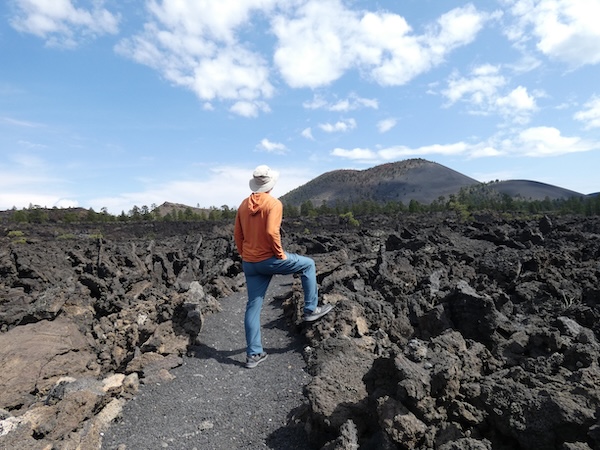
Best Men’s Travel Shorts
A versatile pair of shorts should work for sightseeing, hiking, and relaxing without looking overly technical. Choose lightweight fabrics that dry quickly and avoid oversized cargo shorts unless you genuinely need the extra storage.
Matt Bowles and Matt Wald also suggest travel shorts that can double as swim shorts or workout shorts.
Look for:
- Four-way stretch
- Versatility to be used in a variety of scenarios including swimming
Top Pick: KUHL Suppressor (for versatile shorts) or Patagonia Baggies (designed for use in and out of water)
Upgrade Pick: Aviator Non-Stop Travel Short (polished shorts that Matt Bowles also uses for swimming and workouts; perfect for ultra-light travelers who need one pair to do everything)
Budget Pick: Uniqlo, TJ Maxx, H&M (both Tim and Matt Wald look for whatever fits their style/needs – hopefully on a sale rack)
Best Men’s Lightweight Jackets
A lightweight insulated jacket is one of the highest-value pieces you can pack. It provides warmth on chilly flights, cool evenings, and mountain destinations while compressing into very little luggage space.
Look for:
- Good warmth-to-weight ratio
- Packs down very small
Top Pick: PAKA Men’s Mayu Ultralight Jacket (fantastic warmth-to-weight ratio, sustainably made/sourced, weather resistant. Personally after trying a large selection of packable insulated jackets, this is the one I take on every trip)
Upgrade Pick: Mountain Hardwear Ghost Whisperer (Matt Bowles wears this highly packable down jacket)
Budget Pick: Uniqlo PUFFTECH Jacket (My recommendation for travelers seeking similar packability at a lower price. Synthetic materials.)

Best Men’s Rain Jackets
Even if rain isn’t in the forecast, a compact waterproof shell also doubles as an effective windbreaker. Ultralight travelers also combine insulated jackets (above) with these rain shells for additional warmth and weather-resistance.
Choose one that packs into its own pocket or stuff sack.
Look for:
- Waterproof membrane
- Pit zips (optional but great for active pursuits)
- Adjustable hood
- Lightweight construction
Top Pick: MARMOT Men’s PreCip Evo Waterproof Rain Jacket (Matt Bowles travels with this)
Upgrade Pick: KUHL Stretch Voyagr (Tim Leffel’s top choice)
Budget Pick: Columbia Men’s Watertight II Rain Jacket

Best Men’s Underwear
Look for underwear that dries quickly, packs small, and remains comfortable during long travel days. Avoid heavy cotton whenever possible.
Top Pick: ExOfficio (Matt Wald’s recommendation for being super light and quick-dry. They make briefs, boxers, and boxer briefs so there’s something for everybody)
Upgrade Pick: Unbound Merino (one of the reviews on the site says he feels his balls were being cupped by angels. If that’s not a solid recommendation I don’t know what is)
Budget Pick: Uniqlo (choose the AIRsim version over the cotton for better performance on the road)
Best Men’s Socks
Never underestimate socks. Tim Leffel believes they’re one of the smartest investments travelers can make. Merino socks in particular reduce odor, improve comfort, and often prevent blisters better than standard cotton socks.
Top Pick: Darn Tough Hiker Micro Crew (Tim Leffel calls quality hiking socks one of the smartest travel investments you’ll make.)
Upgrade Pick: PAKA Alpaca Socks (My recommendation if you prefer alpaca over merino. My partner and I both have the ankle socks and the Essential Crew socks. We regularly wear them for multiple days before washing.)
Budget Pick: Wherever! (Go to a dollar store if you like. But be prepared to replace them along the way, and maybe survive a few blisters.)
Best Men’s Travel Shoes
All our experts agree: If there’s one place worth spending money, it’s footwear.
Comfortable shoes allow you to walk farther, reduce fatigue, and can eliminate the need to pack multiple pairs. Most experienced travelers recommend neutral shoes that work equally well with shorts, jeans, or khakis.
All three of our experts bring one pair of workhorse shoes (for walking, plus light outdoor pursuits and fitness), a pair of nicer shoes for dressy occasions, and a pair of flip flops.
Tim Leffel (who doesn’t travel full-time) will bring sport sandals instead of flip slops and walking shoes when traveling somewhere hot. Tim will also bring hiking-specific shoes if he’s planning technical treks.
Main Pair of Shoes: Tim brings Ecco for walking, and Oboz for hiking. Matt Wald wears HOKAs. Matt Bowles wears Nike All-Black shoes.
Dress Shoes: Tim’s Ecco shoes fit the bill for just about any occasion. Matt Wald likes Rothy’s and says they’re a great choice because they’re machine washable. And Matt Bowles goes all in with Ferragamo shoes.
Honourable Mention: Xero Shoes makes affordable “barefoot” shoes (aka zero drop shoes) that are incredibly versatile, comfortable, and exceptionally light to pack. I often bring Xero Shoes as my main pair of shoes, and depending on the style I might also use them for running and even hiking. I have owned many styles of Xero shoes over the years and I really like them. Xero Prio is the best-selling all-around shoe. If you’re shopping for a lightweight packable hiking shoe, look no further than the Scrambler style.
Best Men’s Sandals
You can splurge on quality sandals that can double as hiking shoes, water shoes, and everyday footwear in warm climates.
Or, you can go with cheap flip flips and replace them as they wear out.
It’s down to you, the climate at your destination, your planned activities, and whether you’re a sandals-wearing kinda guy.
I’ve written a detailed guide comparing the best options in my article on the best travel sandals, where I cover comfort, durability, support, and the pros and cons of different styles. While it was specifically written with women in mind, some of the brands I mention also make men’s shoes. Either way, the principles for what makes a good travel sandal are the same, so you can extract that info to choose the best pair for you.
Tim Leffel specifically recommends Keen or Ecco for sport sandals. The other two prefer flip flops, which don’t need to be expensive or specialized; especially if you plan to wear them to the beach, or to certain religious sites and temples (where you’re required to leave them outside and they may walk away without you!), or even in hostel showers!
You probably don’t need to replace them. Upgrade only when your existing clothes fail one or more of these tests:.
- They stay wet for hours.
- They wrinkle badly.
- They become uncomfortable after a long travel day.
- They only work with one outfit.
- They take up too much luggage space.
Best Travel Clothing Brands for Men
I’m not here to tell you there’s one “best” travel clothing brand. The goal of this guide is to help you choose the right clothing for your travel style, budget, and priorities.
Different brands excel at different things. A brand that’s perfect for an adventure traveler might not be the best choice for someone exploring European cities or working remotely from cafés.
The brands below consistently stood out through my own experience after two decades of full-time travel, recommendations from my expert panel, and their strong reputations among experienced travelers.
One thing surprised me while interviewing my panel: not one of them was loyal to a single brand. Instead, each has built a travel wardrobe over time by selecting the best pieces from different companies. That’s exactly the approach I recommend, too.
Patagonia – Best for Outdoor & Sustainable Travel
Patagonia has built its reputation on exceptionally durable outdoor clothing backed by industry-leading repair and sustainability initiatives. They even have a program where they buy back your used Patagonia duds and re-sell them to a budget consumer (which could also be you – you’ll see on their product pages if they have a used equivalent available).
Tim Leffel describes Patagonia as “the most admirable clothing company in this hemisphere,” citing both the quality of its products and its environmental practices.
Patagonia pieces aren’t inexpensive, but they’re designed to last for years. Lightweight layers like the Nano Puff, versatile Capilene base layers, and the iconic Baggies shorts have become staples for travelers who value performance without sacrificing style.
prAna – Best Everyday Travel Clothing
prAna has quietly become a trusted travel clothing brand because it strikes an excellent balance between comfort, durability, and everyday style.
Unlike many technical outdoor brands, prAna clothing rarely looks overly “outdoorsy.” Many pieces transition effortlessly from sightseeing and long travel days to restaurants, cafés, and casual business meetings.
Tim Leffel repeatedly singled out prAna throughout our interview, particularly their shirts and the Stretch Zion pants, which he considers among the most versatile travel pants available. He also praised the company’s commitment to sustainability and clothing designed to last.
KUHL – Best Rugged Travel Apparel
Known for exceptionally durable construction and thoughtful design, KUHL specializes in clothing that performs outdoors without looking like technical expedition gear.
Tim Leffel sprinkles KUHL throughout his travel wardrobe; from button-up shirts and travel pants and shorts to lightweight jackets. He chooses clothing that’s polished enough for conferences and meetings but equally appropriate for a hike later that same day.

Unbound Merino – Best Premium Merino Travel Clothing
If you’ve decided merino wool belongs in your travel wardrobe, Unbound Merino is one of the strongest brands to consider. Its collection is built almost entirely around premium merino basics designed specifically for minimalist travel, making it a favourite among carry-on-only travelers and digital nomads.
That said, it’s far from the only excellent merino option.
If your travels lean toward business or smart-casual, Wool&Prince offers polished merino shirts and wardrobe staples that look just as appropriate in a boardroom as they do on a long-haul flight. For custom dress shirts Matt Bowles recommends Proper Cloth, and Libertad for stylish performance shirts designed specifically for travel.
If sustainability and natural fibres are priorities, PAKA has built a loyal following around clothing made from ethically sourced alpaca wool. I visited their HQ in Cusco; here’s a wee video I made of my chat with the founder).
Aviator – Best Travel Jeans
Jeans are controversial in travel circles. Some travelers avoid them entirely because they’re bulkier, heavier, and slower to dry than technical fabrics. Others wouldn’t dream of leaving home without a favourite pair.
If you’re in the second camp, Aviator has earned a strong reputation for jeans designed specifically for travel. They’re lighter than traditional denim, comfortable, incorporate discreet security features, and stretch enough to remain comfortable on long flights.
I personally own Aviator’s Fly Straight jeans and I adore them.
Matt Bowles is a fan of Aviator’s Travel Jeans and also owns their Non-Stop Travel Shorts (which for him double as swim shorts). Matt Wald also argues that jeans absolutely have a place in a travel wardrobe (though he didn’t cite Aviator specifically).
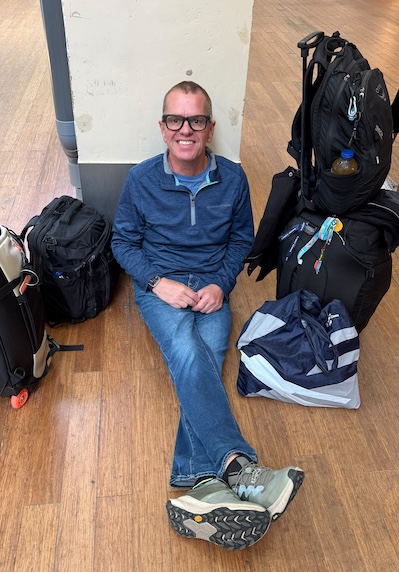
Darn Tough – Best Travel Socks
If there was one category where my expert panel showed remarkable agreement, it was the importance of socks.
Tim Leffel believes quality hiking socks are one of the smartest investments any traveler can make, even though they’re rarely the most exciting purchase. In his words, “your feet will thank you.” He recommends Darn Tough Vermont above all else for their comfort, durability, and lifetime warranty.
Darn Tough‘s merino wool socks regulate temperature well, resist odors, and hold up exceptionally well after years of walking.
If you’re looking for alternatives, PAKA makes comfortable alpaca wool socks that many travelers love for cooler climates, while Uniqlo offers budget-friendly socks that outperform their modest price tag.
Clothing Arts – Best Security-Focused Travel Clothing
Most travel clothing focuses on comfort or performance. Clothing Arts focuses on security.
Its Pick-Pocket Proof® clothing incorporates discreet zippered and layered pockets designed to make life harder for thieves without looking overly tactical.
Tim Leffel specifically recommends Clothing Arts for destinations where pickpocketing is a genuine concern, while noting that he otherwise prefers everyday clothing that doesn’t obviously look like travel gear.
Years ago I had a pair of Clothing Arts pickpocket-proof adventure pants. While I liked the subtle security features, the style and fit didn’t quite work for me. I believe they’re designs are better for men.
Uniqlo – Best Budget Travel Clothing
Uniqlo has become a favourite among budget-conscious travelers because it offers surprisingly high-quality basics at accessible prices. Matt Wald buys the majority of his t-shirts and button-up shirts at Uniqlo (as well as H&M).
Its AIRism collection excels in hot weather, while Heattech layers are excellent for colder destinations. Many of its lightweight jackets, T-shirts, and casual pants also pack well and don’t look like technical travel clothing.

The biggest lesson from my expert panel wasn’t that one brand is better than another; it was that the best travel wardrobe rarely comes from a single company.
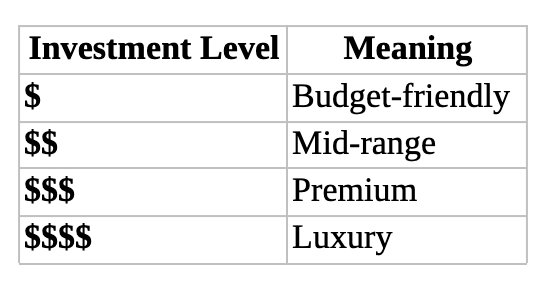
| Brand | Best For | Standout Products | Price Range | Ideal Traveller |
|---|---|---|---|---|
| Patagonia | Sustainable outdoor travel | Nano Puff Jacket, Capilene base layers, Baggies Shorts | $$$ | Adventure travellers, hikers, eco-conscious travellers |
| prAna | Everyday travel clothing | Stretch Zion Pants, lightweight shirts | $$–$$$ | Long-term travellers, slow travellers, smart-casual travellers |
| KUHL | Rugged adventures | Renegade Pants, Resistor Chino, lightweight jackets | $$–$$$ | Active travellers who split time between cities and the outdoors |
| Unbound Merino | Premium merino essentials | Merino T-shirts, hoodies, underwear, travel pants | $$$ | Carry-on-only travellers, digital nomads, minimalist packers |
| Aviator | Travel jeans | Travel Jeans with hidden zip pocket | $$ | Travellers who prefer jeans over technical pants |
| Darn Tough | Merino travel socks | Hiker Micro Crew, Light Hiker, Lifestyle Socks | $$ | Anyone who spends long days walking or hiking |
| Clothing Arts | Security-focused travel | Pick-Pocket Proof® Pants & Shirts | $$$ | Travellers visiting destinations where theft is a concern |
| Uniqlo | Budget-friendly basics | AIRism, Heattech, Ultra Light Down Jacket | $ | Budget travellers, first-time travellers, anyone building a travel wardrobe affordably |
How to Build a Men’s Travel Capsule Wardrobe
Buying great travel clothing is only part of the equation. The real magic happens when every piece works with everything else.
A well-designed travel capsule wardrobe allows you to pack lighter, dress for almost any occasion, and spend less time deciding what to wear. Whether you’re traveling for two weeks or two years, the goal isn’t to own more clothing—it’s to own clothing that earns its place in your bag.
See also: How To Pack A Carry-On Suitcase | 2 Weeks, 5 Months, No Matter! [VIDEO]
How Many Clothes Do You Really Need?
One of the most common questions travelers ask is, “How many clothes should I pack?”
The answer depends less on the length of your trip than on how often you’re willing to do laundry.
Many years ago a travel colleague of mine (Rolf Potts) and I both took up a unique challenge as proposed by anti-theft travel clothing maker Scottevest: the No-Baggage Challenge. Their clothing has tons of secure pockets so the idea was that we could fly somewhere and travel only with what fits into the pockets of our Scottevest jackets and other clothing pieces. So in our respective corners of the world, we took up the challenge and traveled with no bags at all.
Rolf made a much better go of it than I did. I went on a couple of short trips (long weekends). He traveled for six weeks straight! He wore one outfit, and into his pockets went one spare t-shirt, two spare pairs of socks, and one spare pair of underwear. He clearly did hand laundry every night.
I don’t recommend traveling like this (and I’d wager Rolf wouldn’t either). But it was illuminating for both of us to understand how little stuff you really need to travel – even long-term.
For a more practical answer to the question of how many clothes you need, Matt Wald sums it up nicely: “Pack for two weeks. That’s it. You do laundry about once a week whether you’re gone for fourteen days or three hundred, so a year on the road does not require a year of clothes. It just requires a small, everything-matches set in fabrics that dry on their own overnight.”
I would argue that two weeks clothing is still too much! But when traveling full-time, you need to allow for different climates, so I suspect that’s what Matt was referring to.
He’s also very specific about clothes drying overnight because you might be surprised by the lack of clothes drying machines abroad. “Here’s the thing nobody warns you about: plenty of places have a washer and no dryer, so quick-dry fabric isn’t a nice-to-have, it’s the whole reason you can travel light.”
Whether you’re traveling for two weeks or six months, most experienced travelers pack enough clothing for about one week before doing laundry. After that, your packing list rarely changes.
As a general guideline:
- 5–7 T-shirts or tops (including long-sleeved tops and button-ups; selection depends on climate and personal style)
- 2–3 pairs of pants
- 1–2 pairs of shorts
- 7 pairs of underwear
- 5–7 pairs of socks
- 1 lightweight jacket
- 1 rain shell
- 2–3 pairs of shoes, depending on your travel style and climate
That may sound minimal at first—but when every piece works together, you’ll have dozens of outfit combinations.
Build Around Versatility, Not Variety
A capsule wardrobe isn’t about wearing the same outfit every day. It’s about choosing clothing that mixes and matches effortlessly.
Start with neutral colours like black, navy, grey, olive, or beige for your core pieces. Then add one or two accent colours if you enjoy a little personality.
Each item should work with everything else.
Ask yourself:
- Can these pants be worn with every shirt I’ve packed?
- Does this jacket work equally well on a hike and at dinner?
- Will these shoes match most of my wardrobe?
- Would I happily wear this outfit at home?
If the answer is “yes,” it’s probably worth packing.
One thing I appreciated from my expert panel was that none of them chased fashion trends. Instead, they focused on timeless pieces that could be worn repeatedly without attracting attention or feeling out of place.
Packing for Multiple Climates
Packing for both tropical beaches and snowy mountain towns can seem impossible, but layering makes it surprisingly simple. Instead of packing one heavy outfit that’s unnecessarily bulky and rarely worn, build flexible layers.
A typical system looks like this:
Base layer: Merino T-shirt or lightweight long-sleeve
↓
Mid layer: Merino hoodie or lightweight fleece
↓
Outer layer: Lightweight insulated jacket
↓
Shell: Waterproof rain jacket
Each piece serves multiple purposes and can be combined as temperatures change. This approach is far more versatile than packing one bulky winter coat you’ll only wear occasionally. It’s also why lightweight fabrics like merino wool and technical performance materials are featured so prominently throughout this guide.
A Sample Men’s Travel Capsule Wardrobe
Here’s what a versatile travel wardrobe might look like for trips ranging from a couple of weeks to several months.
Tops
- 3–4 T-shirts (merino or performance fabrics)
- 2 button-up shirts
- 1 polo shirt (optional; instead of one of the t-shirts)
- 1 lightweight hoodie
Bottoms
- 2 travel pants
- 1 pair of travel shorts (2 pairs if traveling in hot climates, and potentially reduce pants to 1)
- 1 pair of jeans (optional; instead of one of the pairs of travel pants)
Outerwear
- 1 lightweight insulated jacket (unnecessary if traveling only in tropical climates)
- 1 waterproof rain shell
Footwear
- Comfortable walking shoes
- Sandals or flip flops
- Optional second pair of shoes for business travel or hiking
Accessories
- 7 pairs of underwear
- 5-7 pairs of merino socks
- Hat
- Belt
- Buff or lightweight scarf
Remember, this isn’t a rigid packing list—it’s a starting point. Adjust it based on your destination, climate, travel style, and how often you’ll have access to laundry facilities.
A travel capsule wardrobe isn’t about owning less for the sake of minimalism.
It’s about owning the right clothing.
When every shirt works with every pair of pants, every layer has a purpose, and every item earns its place in your bag, you’ll pack lighter, travel more comfortably, and spend less time worrying about what to wear.
As this guide—and my expert panel—have shown, the best-dressed travelers aren’t the ones carrying the most clothes. They’re the ones carrying the most versatile clothes.
Common Travel Clothing Mistakes Men Make
Most travel clothing mistakes don’t come from choosing the “wrong” brand—they come from misunderstanding what travel actually demands. Many men end up overpacking, overbuying, or choosing pieces that look great in theory but fail in real-world conditions.
The good news is that once you understand these common pitfalls, building a functional travel wardrobe becomes much easier (and usually cheaper).
Buying too many clothes
One of the most common mistakes is simply packing too much. It’s easy to assume you’ll need different outfits for every situation, but in reality, most travelers rotate through a small number of favourite pieces again and again.
More clothing doesn’t mean more flexibility—it often means more weight, more laundry decisions, and more time spent managing your bag instead of enjoying your trip.
What to do instead
Instead of packing more items, focus on building a capsule wardrobe of interchangeable pieces. Most experienced travelers rotate through a few core items repeatedly rather than bringing a different outfit for every scenario.
Packing too much cotton
Cotton is comfortable in everyday life, which is why so many people default to it when packing. But for travel, it often performs poorly. It absorbs moisture easily, dries slowly, and can become heavy and uncomfortable in humid or active conditions.
Cotton (especially heavy cotton) also doesn’t work well for fast travel or long-term trips, because it can’t be easily hand washed and dried. Matt Wald says: “Here’s the thing nobody warns you about: plenty of places have a washer and no dryer, so quick-dry fabric isn’t a nice-to-have, it’s the whole reason you can travel light.”
This doesn’t mean cotton has no place in a travel wardrobe—it just shouldn’t be your primary fabric for key pieces.
What to do instead
Replace most cotton basics with merino wool, blends, or performance fabrics that dry faster and handle travel conditions better.
Choosing fashion over versatility
Highly specific, fashion-forward pieces tend to be less flexible. That statement jacket or bold patterned shirt might look great in photos, but if it only works in one outfit or one setting, it quickly becomes dead weight in your luggage.
The best travel clothing strikes a balance between style and adaptability; looking good in multiple contexts rather than excelling in just one.
What to do instead
Build a wardrobe around neutral, mix-and-match pieces that work across multiple settings.
Ignoring climate
Understanding your destination’s temperature range, humidity, and seasonal changes should be one of the first steps in choosing what to pack.
A wardrobe that works in Mediterranean Europe will struggle in Southeast Asia. Clothing that performs in dry heat may be uncomfortable in humidity. And layering systems that work in cooler climates can be unnecessary bulk in tropical regions.
What to do instead
Always pack based on temperature range + humidity + activity level, not just destination.
Buying “travel clothing” just because it’s marketed that way
Just because something is labeled as travel-friendly doesn’t mean it will actually perform better than a well-made everyday item. In many cases, high-quality basics from reputable brands outperform expensive “technical travel” clothing.
Matt Wald learned this lesson the hard way. “Before a trip to South Africa I bought an entire safari wardrobe. The vented khaki everything. I looked like I was about to narrate a nature documentary, and I wore almost none of it.”
Instead of focusing on marketing claims, look at the actual fabric, construction, and versatility of each piece, and how it fits into your overall wardrobe.
Tim says “I feel like outerwear items [in particular] have a lot of features that are just added to justify their crazy high prices when they pass the $600 mark. If a jacket keeps me warm and dry, fits well, lets hot air escape, and has plenty of pockets, we’re 95% of the way to perfect.”
What to do instead
Ignore the label and evaluate clothing based on performance, fabric, and versatility.
Before You Buy Checklist
Before buying any travel clothing, ask:
- Will I wear this at home?
- Can I wear it in at least three situations?
- Does it match most of my wardrobe?
- Will it dry overnight?
- Is it comfortable for a full travel day?
Spending too Little…or too Much
Tim Leffel used to backpack with random t-shirts and convertible pants. But over the years his travel style has changed and he needs more double-duty pieces that can go from conference stages to mountainsides. “I tend to go for higher quality now from brands that produce clothing meant to last.”
Matt Bowles also subscribes to this theory. 90% of his gear is merino wool (an investment unto itself), including a worthy splurge on a Proper Cloth made-to-measure merino dress shirt.
Matt Wald, however, takes the opposite approach; buying cheap shirts, wearing them hard, then donating them and restocking at the next stop. “I’m not going to pretend fast fashion is good for the planet. But traveling full-time out of a carry-on means something has to give, and a $9 tee that finishes its life as a donation instead of dead weight in my bag is the compromise I’ve made my peace with.”
All this to say, while conventional wisdom might suggest investing in proper men’s travel clothes that will go the distance, investing in the wrong stuff could be an ever bigger waste. Go for items you’d be inclined to wear regardless of whether you travel, that you’ll be comfortable in, that will also go the distance (literally and figuratively) in terms of performance.
How to Care for Travel Clothing on the Road
By washing clothes less frequently, drying them correctly, and treating technical fabrics with a little care, you’ll extend the life of your wardrobe while packing fewer clothes overall.
Washing Clothes in Hotel Sinks
Hand-washing a few items every few days is often easier than searching for a laundromat or paying serviced laundry prices – and serviced laundry can be problematic with items like merino wool, which require cold water washes and hanging to dry. Not all serviced laundromats will treat your delicates as lovingly as needed.
Hand-washing also allows you to travel with fewer clothes while always having something clean to wear.
Fill the sink (or a dry bag / large ziploc bag, which doubles as an excellent portable wash basin) with cool water and a small amount of travel detergent or gentle soap. Agitate the clothing for a few minutes, paying extra attention to areas like collars, cuffs, underarms, and socks.
Rinse thoroughly to remove soap residue. The magic of washing is in the rinsing, so don’t skip this step.
Avoid wringing delicate garments aggressively, especially merino wool or lightweight performance fabrics, as twisting can stretch fibers and shorten the life of the garment. Keep reading for the best way to wring out clothes and reduce drying time.
Drying Clothes Overnight
Drying clothes quickly is one of the biggest reasons experienced travelers choose merino wool, nylon, polyester, and other performance fabrics over cotton.
After washing, gently press excess water out of the garment, lay the garment flat on a towel, then roll up the towel and twist gently. It’s super effective and dramatically cuts down on drying time!
Preventing Odors
One of the easiest ways to reduce laundry is to prevent odors from developing in the first place.
A few simple habits make a big difference:
- Air clothing out after wearing it.
- Don’t leave damp clothes bundled inside your luggage.
- Allow shoes to dry completely between wears.
- Rotate between shirts if you’re traveling in hot weather.
- Spot-clean small stains instead of washing the entire garment. (I always carry a Tide Stick for spot treatments – it works wonders.)
Washing Less Often (Yes, Really)
One of the biggest mindset shifts for new long-term travelers is realizing that not every garment needs to be washed after a single wear, or even two or three.
Experienced travelers often rely on fabrics like merino wool because they can be aired out overnight and worn again the next day. Jackets, overshirts, sweaters, and travel pants can usually go much longer between washes than T-shirts, underwear, or socks which sit directly on your body’s hotspots and absorb oils that can cause odor.
In fact, washing clothes only when they actually need it helps preserve elasticity, maintain technical fabric treatments, reduce fading, and extend the life of your wardrobe.
If it isn’t visibly dirty and doesn’t smell, consider giving it another wear.
Removing Wrinkles Without an Iron
Wrinkles are inevitable when you live out of a suitcase, but they don’t have to stay that way.
Many travel fabrics naturally release wrinkles after being worn for a short time. Hanging clothing in the bathroom while you take a hot shower can also help relax wrinkles without the need for an iron.
Other easy tricks include:
- Hang clothes as soon as you arrive.
- Roll clothing instead of folding when packing.
- Choose wrinkle-resistant fabrics such as merino wool or performance blends.
- Use a travel-size wrinkle-release spray if you frequently travel for business.
If you’re shopping in a store, here’s my hack for ensuring that piece of travel clothing you’re considering is actually wrinkle-resistant enough to warrant a place in your luggage. Grab a handful of the material and bunch it up in your fist. Squeeze it for 5-10 seconds. Let go. If it’s wrinkled, don’t buy it. Simple as that!
Extending the Life of Your Travel Wardrobe
Simple habits like washing garments inside out, following the care label, avoiding excessive heat, and repairing small holes before they become larger can dramatically increase the lifespan of your clothing.
Just as importantly, resist the temptation to replace perfectly functional clothing simply because a newer version has appeared on the market. As Tim Leffel points out, “travel clothing companies feel a need to keep slightly switching out the colors and patterns each year just to say they’re releasing something new”, encouraging customers to replace perfectly good garments simply because they’re no longer the latest version.
Not every experienced traveler likes to wear their wardrobe into the ground, however. Matt W. Says “buy cheap t-shirts and shirts and let them go. I get mine at H&M, Zara, or Uniqlo – they look great, they cost almost nothing, and yes, they only survive twenty or thirty washes. So I wear them for a month or two in one city, donate them before I move on, and restock at the next stop.” While he admits that fast fashion isn’t great for the planet, he’s happy to give it away while it still looks good and then he can refresh his wardrobe, which also gives him some variety (a big deal when living out of a carry-on with very few day-to-day choices).
Whether you wear your favourite travel shirt for a decade or periodically pass it along to a new owner, the lesson is the same: choose pieces you’ll genuinely enjoy wearing, care for them properly, and replace them because they no longer meet your needs – not because the marketing tells you it’s time.
Frequently Asked Questions
The length of your trip matters far less than how often you’re willing to do laundry. Most experienced travelers—including the experts I interviewed for this guide—pack about a week’s worth of clothing, even for trips lasting several months.
A practical packing list for most destinations includes:
* 5–7 shirts
* 2–3 pairs of pants
* 1–2 pairs of shorts
* 7 pairs of underwear
* 5–7 pairs of socks
* 1 lightweight jacket
* 1 waterproof rain shell
* 2-3 pairs of shoes, depending on your activities
The secret isn’t packing more clothes—it’s choosing versatile pieces that mix and match easily and can be washed and dried overnight.
For many travelers, yes.
Merino wool naturally resists odor, regulates temperature, and stays comfortable across a wide range of climates. That means you can often wear the same shirt or pair of socks (or pants, or hoodies, etc) multiple times before washing, allowing you to pack significantly less.
While merino garments cost more upfront than cotton or synthetic alternatives, many travelers find the investment worthwhile because it helps them pack lighter, do less laundry, and enjoy greater comfort on the road.
If you’re only going to splurge on one travel clothing upgrade, a merino T-shirt or pair of socks is an excellent place to start.
For more information about merino wool, including a breakdown of travel-tested brands, check out this article.
Not necessarily.
Many experienced travelers prefer high-quality everyday clothing over garments marketed specifically for travel. Instead of focusing on the label, evaluate each piece based on its fabric, versatility, durability, comfort, and how easily it fits into your wardrobe.
Some travel-specific brands make exceptional products, but plenty of ordinary shirts, pants, and jackets perform just as well.
The best travel clothing is simply clothing you’ll genuinely enjoy wearing both at home and on the road.
Not only that, but there’s something to be said for buying a piece of clothing while you’re on the road! Tim Leffel likes packing one less t-shirt than he might need, and buying one while traveling. It becomes a wearable souvenir!
For most trips, two pairs are enough. Three is acceptable (and sometime necessary, depending on the trip).
A comfortable pair of walking shoes will handle the vast majority of sightseeing, airports, and everyday wear. Bonus points if they’re subtle or stylish enough to be dressed up a bit. Matt Bowles wears all-black Nike shoes as his everyday workhorse pair of shoes, and because they’re all black, they can also pass for business-casual scenarios.
Then add one to two pairs of either sandals, flip-flops, hiking shoes, or dress shoes depending on your destination and travel style.
Many long-term travelers avoid packing more than three pairs because shoes are among the bulkiest and heaviest items in any suitcase.
Investing in comfortable footwear is one of the smartest purchases you can make before a trip.
Neutral colours are generally the most versatile.
Black, navy, grey, olive, and beige combine easily, making it possible to create many different outfits from relatively few pieces.
A neutral wardrobe also transitions more easily between casual sightseeing, restaurants, business meetings, and evenings out.
If you enjoy brighter colours, add them as accent pieces rather than building your entire wardrobe around them.
In general, choose a colour palette of 2-3 complementary colours. This means your entire travel capsule wardrobe will match, giving you the most outfit possibilities.
Rolling works well for most travel clothing because it helps save space and can reduce wrinkles in lightweight fabrics.
If you’re not using packing cubes, rolling also makes it easier to access specific pieces of clothing from your luggage without having to unearth an entire folded pile of clothes.
Compression packing cubes can further organize your clothing and help maximize luggage space. Here’s some more information on choosing the best packing cubes for travel.
That said, the fabric itself has a much bigger impact on wrinkles than your packing technique. Wrinkle-resistant materials such as merino wool and performance blends usually emerge looking much better than cotton or linen regardless of whether they’re rolled or folded.
Curious if compression packing cubes beats plain old rolling? I try them both in this experimental video!
Less often than you probably think.
Merino wool clothing (shirts, socks, hoodies, underwear, pants, etc) can often be worn multiple times before washing if they’re aired out overnight.
Pants, jackets, and over-shirts (regardless of fabric) also usually need washing far less frequently than underwear or base layers.
Washing clothes only when they genuinely need it helps preserve technical fabrics, extends the life of your clothing, and reduces the amount you need to pack.
The ultimate test: if it isn’t dirty and doesn’t smell, it probably doesn’t need to be washed yet.
It depends on your priorities.
Linen offers unbeatable breathability and comfort in hot, humid climates, although it wrinkles easily.
Merino wool surprises many travelers by performing exceptionally well in warm weather while also resisting odor. (I traveled for 3 months in full summer with nothing but merino wool, and it worked a charm).
Performance synthetics dry the fastest and are excellent for hiking and active travel, but they can start to hold on to your stink after owning them a while.
Many experienced travelers pack a combination of fabrics rather than relying on just one.
Final Thoughts
After two decades of full-time travel, and with the combined experience of the expert travelers who contributed to this guide, one lesson stands out above all the rest:
The best travel wardrobe isn’t the biggest one. It’s the one where every piece earns its place.
You don’t need dozens of outfits, a closet full of expensive “travel clothing,” or a single brand from head to toe. You simply need versatile clothes that fit your travel style, work together effortlessly, and make you feel comfortable wherever your journey takes you.
If you’re building your travel wardrobe from scratch, start small. Invest first in the items that have the biggest impact on comfort and versatility—especially your shoes, pants, and a few high-quality shirts. From there, add pieces thoughtfully rather than replacing everything at once.
And remember: the best travel clothes aren’t the ones that spend the most time in your suitcase.
They’re the ones you reach for day after day because they simply work.
Whether you’re packing for a weekend city break, a months-long backpacking adventure, or life as a digital nomad, choosing fewer, better clothes will almost always make travel lighter, simpler, and more enjoyable.
You might also be interested in:
The Best Travel Capsule Wardrobe for Women
Pro Packing Hacks: These are the Best Packing Accessories
The Ultimate Packing List for Long-Term Travel
Checked vs. Carry on Luggage, and Best Options for Both


Thank you for the delightful comment, Andreas. Keep spreading the joy.
Comfort is SO important! When I started traveling full-time, I bought all this functional clothing that I ultimately wasn’t comfortable in – from both style and literal standpoints.
The sweet spot is when your travel clothes are comfortable and stylish, AND they’re practical from a travel standpoint (as in, they are anti-wrinkle, ultralight, and antimicrobial, as examples).
This becomes especially important if you are traveling long-term or full-time, and everything you own needs to wash and wear well, and pack down light.
Thanks for your comment, Femi! For a much more in-depth look at merino wool including 12 different merino wool travel clothing companies, check out this newer article: https://www.theprofessionalhobo.com/merino-wool-clothing-for-travel-a-guide-to-choosing-the-best-brands/